
A failed hydraulic component, critical electrical part or shutdown tool does not become less urgent because it is headed to a regional depot. The practical single vehicle freight benefits are clear in these situations: one allocated vehicle collects the load, travels directly to the destination and remains accountable for that freight from pickup through to proof of delivery.
For mining, industrial and maintenance teams, that control can be the difference between a contained issue and costly downtime. Dedicated transport removes the uncertainty created by depot transfers, co-loaded consignments and multiple freight handovers. It is built for loads that need a defined plan, a direct route and a delivery update that means something.
What single vehicle freight actually means
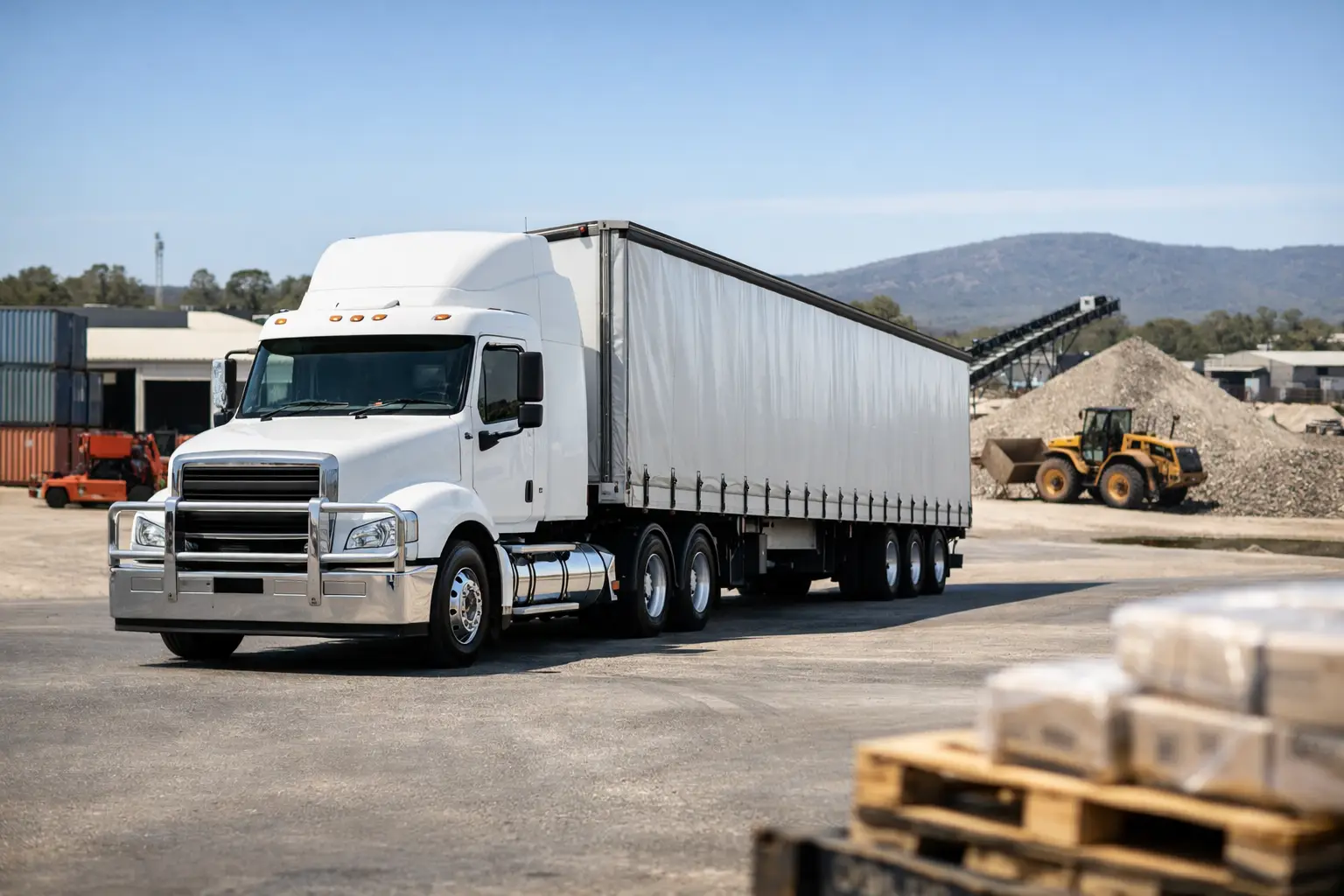
Single vehicle freight is a dedicated transport movement. Your freight is assigned to one suitable ute, van, rigid truck, semi-trailer, crane truck or other vehicle for the full journey. It is not unloaded into a depot network, combined with unrelated freight or transferred between linehaul vehicles on the way.
The service is not limited to small urgent parcels. A dedicated movement can carry critical spares, tooling, documents, pallets, machinery components, site consumables, oversize equipment or freight requiring loading assistance. The right vehicle depends on the weight, dimensions, handling requirements, route and site conditions.
This approach is different from general freight, where a consignment may move through several depots and travel according to a broader network schedule. General freight is often a sensible option for non-urgent, flexible loads. But when a delay has operational consequences, direct vehicle allocation gives the sender greater control over the outcome.
The key single vehicle freight benefits
Faster dispatch and direct delivery
The main advantage is speed. Once the vehicle and driver are allocated, the job can move from collection to delivery without waiting for a freight consolidation cycle or the next scheduled linehaul departure. This is particularly valuable when a Perth supplier needs to get a part to a regional workshop, port, processing plant or remote mine site without losing a day in a depot.
A direct movement also reduces avoidable dwell time. Freight does not sit waiting to be sorted, scanned, loaded onto another vehicle and dispatched again. For urgent work, every one of those stages introduces delay and another variable outside the sender's control.
For long-distance movements, a dual-driver arrangement can keep the vehicle moving continuously while drivers manage fatigue requirements. That is often the right response when a shutdown is underway and the freight must cover significant distance as quickly as safely possible.
Fewer handling points, lower damage exposure
Every unload, reload and depot transfer creates a handling event. More handling means more chances for freight to be misplaced, damaged, exposed to weather or separated from its paperwork. That risk increases with awkward, fragile, high-value or time-critical items.
A dedicated vehicle keeps handling to the essentials: pickup, secure restraint, delivery and unloading. The load remains under the care of the same driver or driver team throughout the trip. For equipment with sensitive components, specialised packaging or strict chain-of-custody requirements, this is a material operational benefit rather than a convenience.
Reduced handling also assists with site readiness. When a load is packed and secured for its specific destination, the driver can arrive with the correct unloading arrangement already considered. Depending on the job, that may mean a tail lift, Hiab, crane truck, forklift access or a coordinated unloading crew at site.
Clear accountability from collection to handover
With a single dedicated vehicle, there is no ambiguity about who has the freight or where it is in the transport chain. The vehicle is allocated to the job, the route is known and the delivery point is defined before departure.
This matters when operations teams are coordinating fitters, contractors, cranes, access windows or production downtime. A vague estimated delivery time is not enough when labour and equipment are waiting. Live GPS tracking, real-time updates and photographic proof of delivery provide a clearer picture of the movement and a record that the freight reached the right person or location.
Accountability is especially important for remote deliveries, where a missed gate, incorrect contact or unavailable receiver can cost hours. A direct carrier can communicate with site contacts while the freight is in transit and respond to changes before they become a failed delivery.
Better control of urgent and specialised loads
Not every load belongs in a standard freight network. Some consignments require a particular vehicle type, additional restraint planning, site-compliant equipment or a driver who understands industrial access requirements. Dedicated transport allows the transport plan to be built around the freight rather than forcing the freight into a fixed network process.
For example, a breakdown part may travel in a ute or enclosed van, while a large component may require a rigid truck with lifting capability. Palletised freight may suit a curtain-sider, and heavier or longer equipment may need a semi-trailer, B-double or oversize-capable vehicle. The goal is not to use the largest vehicle available. It is to use the correct vehicle and loading method for safe, direct delivery.
This control also supports jobs with strict timing. A site may only receive freight during a planned access window, or a shutdown coordinator may need the load delivered before a particular work crew starts. A dedicated schedule can be aligned to those conditions rather than to a general carrier's network timetable.
Greater certainty for regional and remote WA freight
Western Australian distances change the cost of a transport delay. A part held up in a metro depot may be inconvenient. The same part delayed before a long regional run can affect an entire shift, contractor mobilisation or a critical maintenance task.
Single vehicle freight gives regional and remote jobs a more predictable path. The freight travels as one movement from collection point to delivery location, with no planned depot transfer between. This can be valuable across industrial corridors and remote resource operations where alternate supply options are limited and receiving arrangements are tightly controlled.
It does not remove every external risk. Weather, road closures, permit conditions, fatigue management requirements and site access rules still apply. A capable provider will identify these factors early, set realistic delivery expectations and communicate immediately if conditions change.
When dedicated freight is worth the premium
Dedicated transport is usually priced above standard consolidated freight because the vehicle, driver time and operating capacity are reserved for one job. That cost needs to be assessed against the consequence of delay, damage or poor visibility.
It is often justified when freight is holding up production, supporting a breakdown response, required for a shutdown, high value, difficult to replace or needed at a remote location by a fixed time. It can also be the stronger choice where chain of custody matters or where the receiver needs a confirmed delivery record for compliance and operational handover.
For routine stock replenishment with flexible delivery dates, consolidated freight may remain the more economical option. The right decision is based on total operational cost, not transport price alone. A lower freight charge can quickly become expensive if a delayed component leaves equipment idle or pushes a maintenance task into another shift.
Planning a direct freight movement properly
A fast response works best when the transport provider receives accurate job information at the start. Dimensions, weight, pickup readiness, dangerous goods status, packaging condition, required vehicle type, site contact details and delivery deadline all affect dispatch planning.
For mine sites and controlled industrial locations, confirm induction requirements, access permissions, delivery hours, unloading equipment and any personal protective equipment requirements before the vehicle leaves. If the freight needs lifting assistance or has unusual dimensions, say so early. These details prevent a direct delivery from becoming an avoidable wait at the gate.
PTWA plans urgent dedicated movements around the actual job conditions, including vehicle suitability, route, driver availability and site requirements. That approach supports rapid dispatch without treating safety, load restraint or compliance as an afterthought.
When a critical load is ready to move, the most useful question is not simply how quickly it can be collected. Ask how many times it will be handled, who owns the delivery outcome and what evidence you will have when it arrives. For high-consequence freight, a single dedicated vehicle provides answers before the load leaves the yard.