
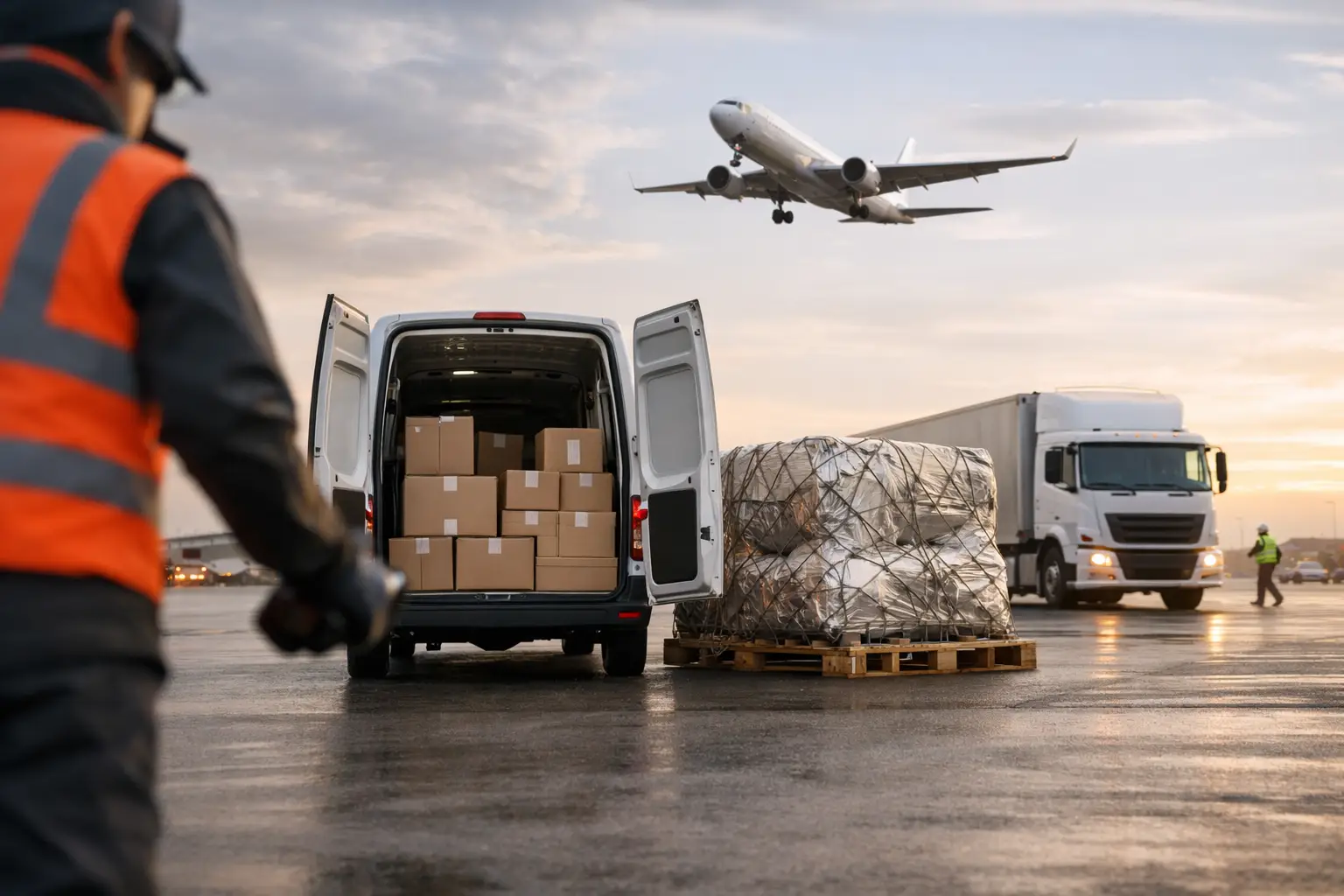
A failed pump, missing shutdown component or urgent replacement part can stop an operation long before the freight reaches site. A rapid dispatch logistics service is built for those moments: one vehicle, allocated directly to the job, moving from collection to delivery without depot transfers, co-loading or unnecessary handling.
For industrial, mining and commercial operators, the value is not simply a faster booking. It is control over a time-critical movement. The right transport plan protects the freight, provides clear visibility and gives the receiving team a realistic delivery window they can work around.
What a rapid dispatch logistics service should deliver
Rapid dispatch starts with immediate operational assessment. The carrier needs to establish what is moving, where it is located, where it must go, its dimensions and weight, whether it requires lifting equipment, and the site conditions at delivery. For a Perth metro job, a ute or van may be dispatched quickly. For a regional or mine-site movement, the vehicle, driver credentials, route and delivery timing must be matched to the job before wheels turn.
The essential difference between a dedicated urgent service and standard general freight is the handling model. General freight commonly moves through consolidation points and scheduled linehaul networks. That model can be cost-effective for routine freight, but it creates extra touchpoints and less certainty when a part is needed now. Dedicated transport stays with the allocated vehicle from collection through to final delivery.
That direct movement reduces the chances of delay, mis-sorting and damage. It also means a single transport provider remains accountable for the job rather than handing freight between depots, drivers and subcontractors.
Speed is only useful when the plan is right
Sending the nearest available vehicle is not always the fastest solution. A low-clearance load may require a specialised trailer. A remote delivery may need a driver with current site inductions, fatigue-management planning and an understanding of access requirements. A critical item may need a crane truck, Hiab or forklift arrangement at either end.
The dispatch decision should account for the full delivery path, not just collection speed. This is particularly relevant for remote WA locations, where a missed site access window or incorrect vehicle selection can add hours to an otherwise urgent job.
When dedicated urgent transport makes commercial sense
A rapid dispatch logistics service costs more than a consolidated freight option because the vehicle and driver are committed to one consignment. That cost needs to be measured against the impact of waiting.
For a shutdown coordinator, a delayed component can hold labour, equipment and contractors idle. For a maintenance team, a failed part may keep a production asset offline. For a procurement manager, a missed delivery can push a critical work package beyond its planned window. In these situations, the transport cost is often small compared with the cost of downtime, rescheduling and lost production.
Dedicated dispatch is also appropriate where freight needs closer control. Examples include high-value components, sensitive equipment, original documents, urgent tools, fabricated items and freight that cannot tolerate repeated loading and unloading. The less handling involved, the fewer opportunities there are for damage or confusion at a busy depot.
It is not the right answer for every consignment. Non-urgent pallet freight, regular replenishment stock and flexible deliveries may be better suited to scheduled transport or a planned contract logistics arrangement. The practical approach is to reserve urgent dedicated vehicles for freight where time, handling risk or delivery certainty genuinely matters.
Dispatch information that prevents delay
Fast execution depends on accurate information at the point of booking. A dispatcher can act decisively when the job details are complete, rather than chasing basic facts while the freight waits on the floor.
Provide the collection and delivery addresses, contact names and mobile numbers, freight dimensions and weight, ready time, required delivery time, and any loading or unloading equipment available. For mine sites and industrial facilities, also confirm site access requirements, induction status, personal protective equipment requirements, booking references and whether an escort or specific delivery contact is required.
If the freight is oversized, awkward, fragile, dangerous goods or needs lifting, state that at the start. These details determine whether a ute, van, rigid truck, semi-trailer, B-double, crane truck or specialised vehicle is required. They also allow the transport team to plan the safest and most direct route.
A clear brief avoids a common urgent-freight failure: a vehicle arrives promptly but cannot load, cannot access the site or cannot safely complete the final delivery. Rapid dispatch should remove uncertainty, not transfer it to the driver.
Visibility matters after the vehicle leaves
An urgent movement is not complete when the truck is dispatched. Operations teams need to know whether the freight has been collected, where it is, whether the delivery window remains achievable and when the receiver has signed for it.
Live GPS tracking and real-time updates give the customer that visibility. They allow maintenance, site and procurement teams to coordinate labour and equipment around the actual arrival time rather than relying on a vague estimate. If conditions change on the road or at site, early communication gives the customer time to adjust the plan.
Photographic proof of delivery adds another level of control. It confirms that the correct item reached the correct location and records its condition at handover. For remote sites, after-hours deliveries and high-value freight, that evidence can prevent later disputes and close out the job properly.
Continuous transport for long-distance urgent freight
For long regional runs, a single driver must work within fatigue-management limits. That is the correct and safe approach, but it may not meet the delivery deadline for a critical breakdown or shutdown requirement.
Dual-driver transport can keep an urgent vehicle moving continuously while drivers rotate in line with operational and safety requirements. It is a specialist option, not a default setting, because it increases cost and needs proper planning. Where every hour of downtime has a material consequence, however, non-stop transport can be the most commercially sound choice.
The same principle applies to after-hours collection and delivery. A true 24/7 provider can respond outside standard freight schedules, but site access still needs to be confirmed. The receiving contact, gate arrangements, unloading capability and any permit requirements must be ready before dispatch.
Selecting a provider for high-pressure freight
The best test is not whether a provider says it offers urgent delivery. Ask how the job will be controlled from booking to proof of delivery. A capable operator can explain the allocated vehicle, collection timing, route, communication process and delivery requirements in practical terms.
Look for direct vehicle allocation, a fleet that suits more than small parcels, active tracking and a clear escalation point if conditions change. For mining and industrial freight, experience with regional routes, remote locations, site protocols and specialised equipment is equally important. A fast vehicle without the right access, load restraint or lifting capability is not a reliable solution.
PTWA provides dedicated 24/7 urgent freight movements across Perth, regional Western Australia and remote industrial locations. Jobs can be matched to vehicles ranging from utes and vans through to crane trucks, trailers and oversize-capable equipment, with direct delivery, GPS visibility and proof of delivery maintained throughout the movement.
When a critical item is holding up work, make the transport brief as complete as possible, confirm the receiving site is ready, and dispatch the right vehicle rather than simply the first one available. That is how urgent freight arrives with the speed, control and certainty the job demands.