
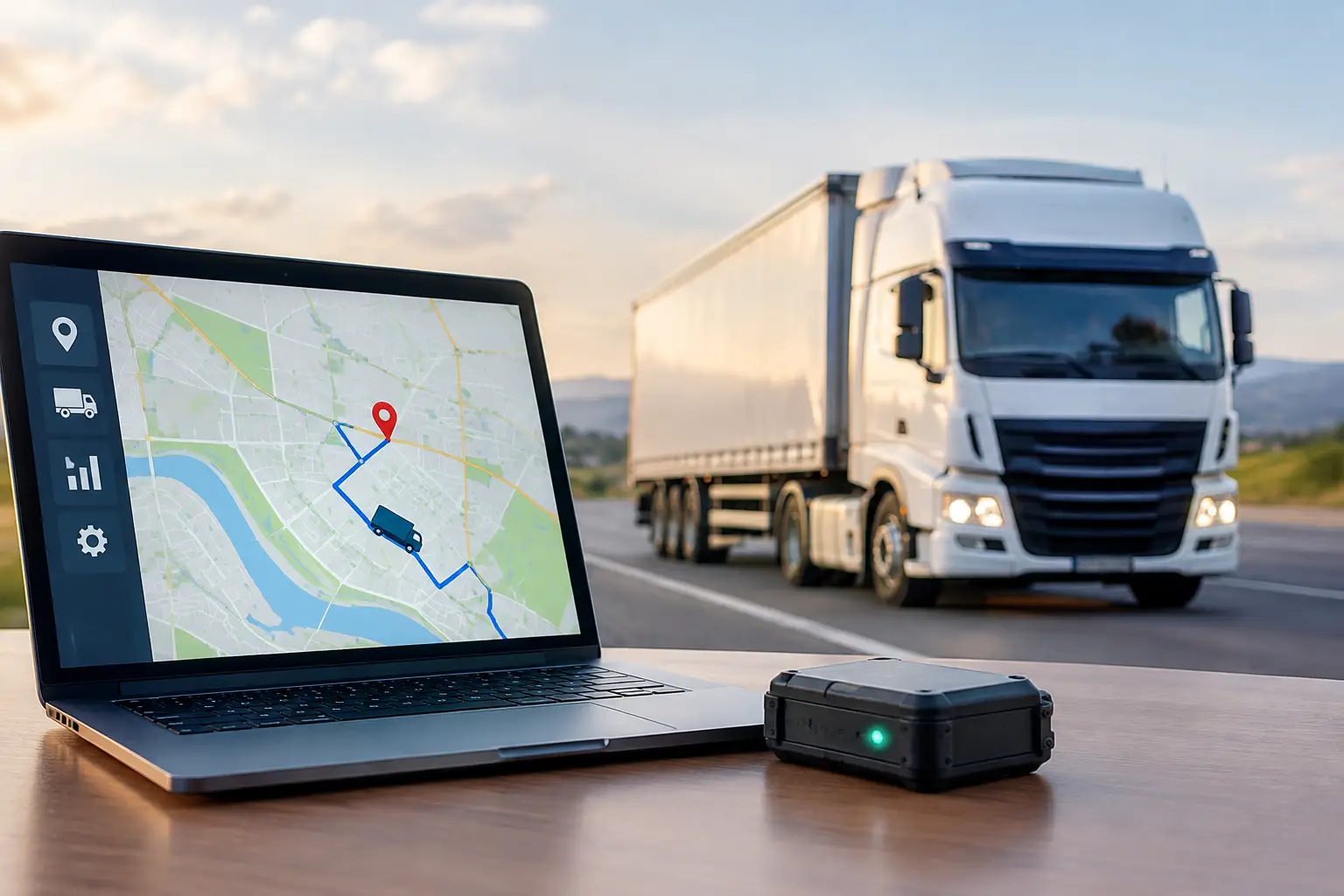
A critical pump part leaving Perth at 2 am is only useful if the maintenance team can see where it is, plan the handover and trust that it will reach site without unnecessary stops. The best GPS tracking does more than put a moving dot on a map. For urgent freight, it gives operations teams control over a job that may be preventing costly downtime.
For mining, industrial and shutdown work, freight visibility needs to match the standard of the transport service itself. A delayed update, an unclear estimated time of arrival or a driver who cannot be contacted creates uncertainty at exactly the wrong time. Proper GPS tracking provides a clear operational picture from dispatch through to delivery and proof of handover.
What best GPS tracking means for freight
Consumer-grade tracking and commercial freight visibility are not the same thing. A basic tracker may show a vehicle's latest location. That can be useful, but it does not necessarily tell a logistics manager whether the freight was collected on time, whether the vehicle is progressing as planned, whether it has reached a controlled site or who accepted the goods.
The best GPS tracking for time-critical transport combines accurate vehicle location with responsive communication and accountable delivery confirmation. It should support decisions, not create more calls, screen checks and guesswork for the customer.
For a maintenance superintendent waiting on a component, the relevant question is rarely, "Where is the truck?" It is usually, "Will the part be here before the plant loses another shift?" Tracking is valuable when it helps answer that question with a realistic, current status.
Live location is only the starting point
Location data must be current enough to be useful. On a Perth metro urgent run, a 20-minute-old position can make a major difference to a delivery window. On a regional or remote movement, it helps the receiving team prepare site access, escort arrangements, unloading equipment and personnel before the vehicle arrives.
That said, no GPS system can remove every variable. Weather, road closures, traffic incidents, fatigue management requirements, site queues and access restrictions can affect transit time. Reliable providers use tracking alongside active dispatch control. If conditions change, the customer should receive a clear update with the likely impact and the revised plan rather than a silent change on a map.
This is particularly important on long-distance jobs across Western Australia, where distances are substantial and mobile coverage can vary. A tracking platform should be treated as a visibility tool, not a substitute for experienced transport coordination.
The tracking features that matter under pressure
The right features depend on the freight, route and delivery environment. For an urgent hotshot job, practical information beats a dashboard packed with unnecessary data. Operations teams should look for tracking that supports these four outcomes:
- Confirmed collection, so the customer knows the freight is on a dedicated vehicle and moving.
- Live or regularly refreshed location visibility, with a realistic delivery estimate.
- Exception management, so delays or route changes are communicated early and clearly.
- Photographic proof of delivery, including confirmation that the freight reached the intended receiving point.
Photographic proof of delivery is particularly valuable for remote locations, unattended delivery areas and shift-change handovers. It creates a record that can be checked quickly when a job involves multiple stakeholders, from procurement and transport coordinators to maintenance crews and site stores.
For high-value or sensitive freight, tracking records also improve accountability. They help establish the chain of movement, reduce disputes about delivery timing and make it easier to investigate an issue if one occurs. The result is less time spent chasing status and more time focused on the work that depends on the freight.
Dedicated transport makes GPS tracking more reliable
Tracking works best when the freight movement is simple and controlled. A direct dedicated vehicle gives the customer a much clearer picture of the job than a multi-stop network run involving depots, cross-docking and co-loaded freight.
With dedicated transport, the vehicle is allocated to one consignment or one customer's priority movement. There are no intermediate freight transfers, no warehouse sorting stages and no uncertainty around whether another delivery will alter the route. The GPS position reflects the actual progress of the freight because the freight remains on that vehicle from collection to delivery.
This matters when moving critical components, specialist tooling, shutdown equipment, documents or replacement parts. Every handling point adds time and risk. It also makes tracking harder to interpret. A vehicle may arrive at a depot, but that does not mean the item has departed again or is close to its final destination.
For urgent work, simpler is stronger. Direct vehicle allocation, active monitoring and proof of delivery create a clean chain of responsibility from dispatch to handover.
Tracking for regional and remote deliveries
Remote deliveries require more than an accurate pin. Mine sites, industrial facilities and regional depots can have strict entry processes, inductions, booking requirements, escort rules and designated unloading zones. A vehicle can be at the gate and still be some distance from completing the job.
That is why delivery updates should distinguish between vehicle arrival, site entry and final handover where relevant. An operations manager may need to arrange a forklift, crane, Hiab, stores representative or receiving crew. Knowing that the vehicle is 30 minutes out is useful. Knowing it has reached the site boundary is not the same as proof that the freight is available to the crew.
The transport provider also needs to understand the route and vehicle fit. A ute or van may be the fastest option for a small critical part, while a rigid truck, crane truck or semi-trailer may be required for heavier or specialised freight. The best tracking system cannot overcome a poorly planned vehicle allocation. Visibility and execution must work together.
GPS tracking and continuous long-distance transport
For long urgent runs, dual-driver transport can protect delivery time by allowing continuous travel within applicable fatigue-management requirements. GPS tracking gives the customer visibility throughout the movement, while dispatch monitors progress and remains available if the delivery conditions change.
This is where estimated arrival times need to be handled carefully. A useful ETA is based on the actual route, vehicle type, driver arrangements, scheduled fuel stops, road conditions and site access requirements. It should not be a generic calculation based on kilometres alone.
Customers should also expect communication that reflects the urgency of the job. If a route is progressing normally, concise updates may be enough. If there is an exception, the update needs to state what happened, the expected effect on timing and what action is being taken. Clear information is more valuable than repeated vague assurances.
Questions to ask a freight provider about tracking
Before booking an urgent movement, ask how often location information is updated, who monitors the job outside business hours and how delivery completion is confirmed. It is also worth asking whether the freight stays on one vehicle, whether the provider can communicate directly with site contacts and what happens if access conditions change during transit.
These questions reveal whether tracking is part of an active transport operation or simply a feature on a screen. The difference becomes obvious when a job is moving after hours, crossing long regional distances or delivering into a tightly controlled industrial site.
PTWA uses live GPS tracking, real-time delivery updates and photographic proof of delivery to keep urgent freight movements visible from collection through to handover. The objective is straightforward: give customers accurate status, reduce handling risk and keep critical freight moving with direct control.
Visibility should reduce workload, not add to it
The value of GPS tracking is measured by the decisions it improves. It should help a shutdown coordinator hold a crew on standby at the right time, let a procurement team update internal stakeholders with confidence and give a site receiver notice to prepare for unloading. If it only produces more calls to find out what is really happening, it is not doing enough.
When critical freight is on the road, choose a provider that pairs live visibility with dedicated transport, experienced dispatch and clear proof of delivery. That combination turns tracking from a technical feature into practical control when the delivery deadline matters most.